
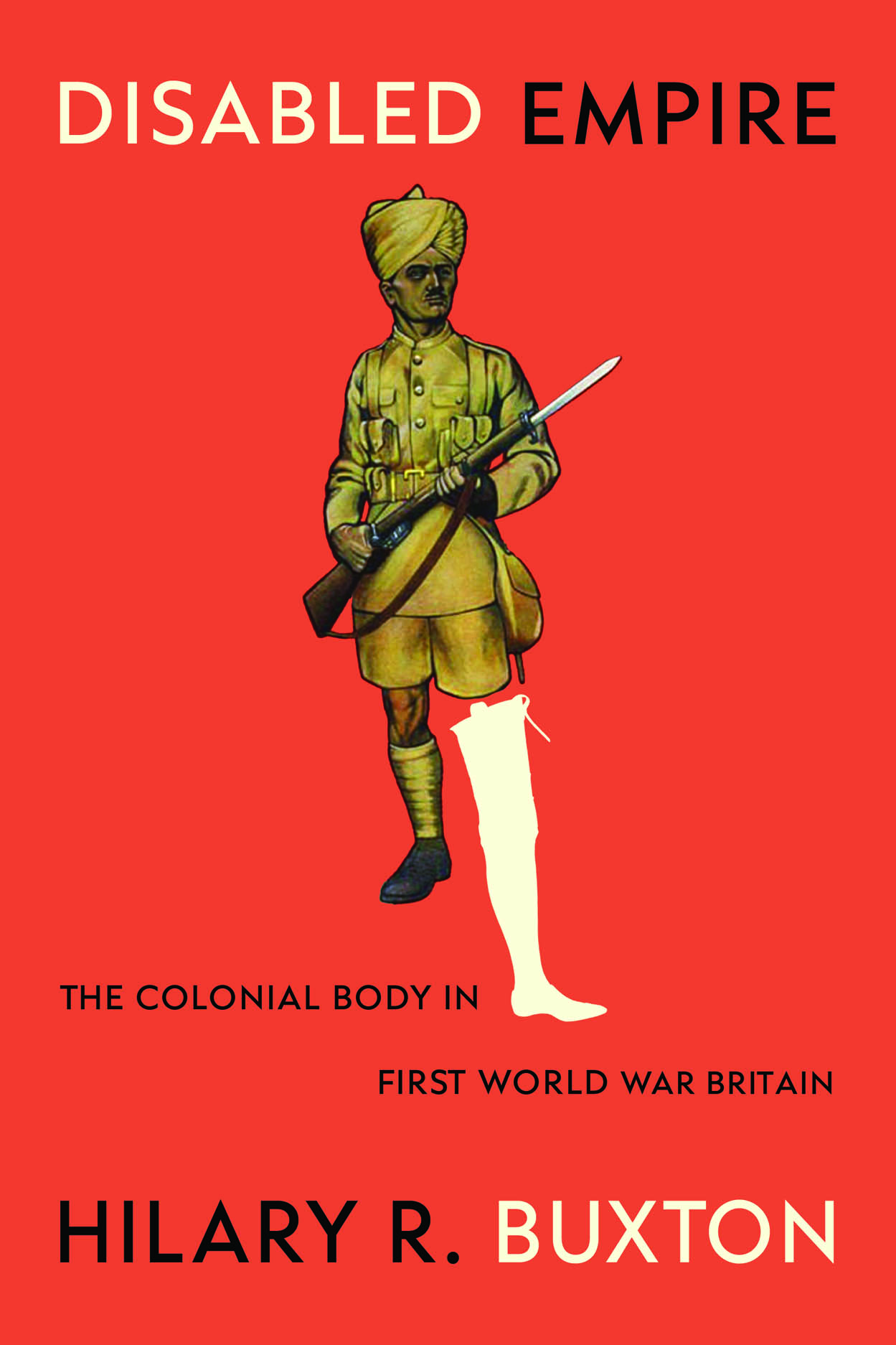
Join NACBS to discuss Hilary Buxton’s latest book, Disabled Empire: The Colonial Body in First World War Britain. Susan Grayzel will join Buxton in conversation.
October 28 at 12pm EST/ 11am CST/ 10am MST / 9am PST / 5pm BST
_____
“Disabled Empire examines how imperial precedents and racial ideologies shaped the medical treatments that the British state offered to several million Black and brown servicemen during World War I. In recovering the voices and experiences of these soldiers, Hilary R. Buxton illustrates how they navigated the institutional culture of the imperial military and how they helped to shape health and welfare systems well beyond the interwar period.
The Great War was the first time that troops and volunteers from nearly all reaches of the Empire participated in the war effort side-by-side. Despite official attempts at segregation, colonial troops met in trenches, mobile camps, casualty clearing stations, hospital ships, and convalescent homes. Just as importantly, those organizing treatment encountered men of different ethnicities, religions, and cultures from across and beyond the British Empire. For British officials, this moment offered an opportunity to remake colonial efficiency and medical knowledge. Yet, as Buxton shows, colonial servicemen were not passive subjects in a wartime laboratory: they were vocal participants who demanded a say in the therapies prescribed to them, the rations they required, the psychiatric care they received, and the prosthetics with which they were fitted. Together, these encounters profoundly remade colonial relations, reshaping imperial science, administration, and colonial understandings of subjecthood.
Disabled Empire pushes literature on the war and medicine outside its national, Eurocentric focus to confront the colonial logic of global health inequity.”