
The Royal Historical Society is delighted to announce the winners of its prizes for a first book and an early career article in 2026. Two winners were named from each category for work published in 2025:
RHS First Book Prize
- To Detain or To Punish: Magistrates and the Making of the London Prison System, 1750-1840, by Kiran Mehta (McGill-Queen’s University Press)
- The North Caucasian Kingdom of Alania, 850-1240, by John Latham-Sprinkle (Cambridge University Press)
RHS Early Career Article Prize
- Gianamar Giovannetti-Singh for ‘Colonial world-making and global knowledges at the early modern Cape of Good Hope‘, in Past & Present
- Stephanie Wanga for ‘Rereading Ujamaa, rethinking freedom’, in Development and Change
The winners were announced by Professor Lucy Noakes, President of the Society, as part of this year’s Prothero Lecture held on the evening of Wednesday 1 July.
The winning titles were selected from shortlists of eight monographs and eight articles, following the submission of more than 60 works in each prize category this year.
In their citation for Kiran Mehta’s monograph, the book prize judges congratulated:
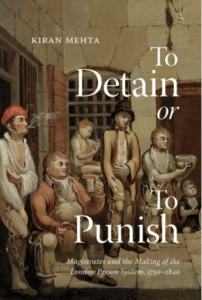 A highly original monograph that addresses a notable gap in studies of early modern crime and punishment: the role of magistrates. This book painstakingly charts the various types of prisons operating in London in the early modern era.
The author exposes the difference between their intended uses and the somewhat muddled system which operated in practice. Magistrates were key players in shaping policies around early modern punishment and prison reform, and this book brings them centre stage.
In their citation for John Latham-Sprinkle’s book, the panel praised:
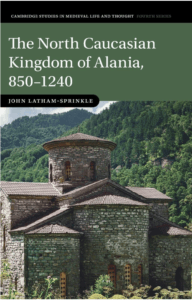
A masterly study of the Kingdom of Alania which shows how historical analysis can be brought to bear even when source material is largely absent or fragmentary. It is rare for any historian to have the opportunity to name a ruling dynasty, but John Latham-Sprinkle has done just that.
His book adeptly shows how that state was formed and brings the existing Russian historiography to a wider audience. The author not only tackles a difficult and under-researched topic but also considers how such histories can and should be written.
In their citation for Gianamar Giovannetti-Singh’s work, the judges praised:
A brilliant article which presents a sweeping, transoceanic history that fundamentally challenges our understanding of early modern geography and knowledge production. The article stands out for its staggering intellectual ambition, its rich source base, and its masterful execution of global history.
Commenting on Stephanie Wanga’s article, the judges commended:
An outstanding study which provides a bold and highly original re-assessment of the Tanzanian political project of Ujamaa as a radical theory of freedom. This is an intellectually ambitious and methodologically innovative article that charts new conceptual possibilities for the discipline.
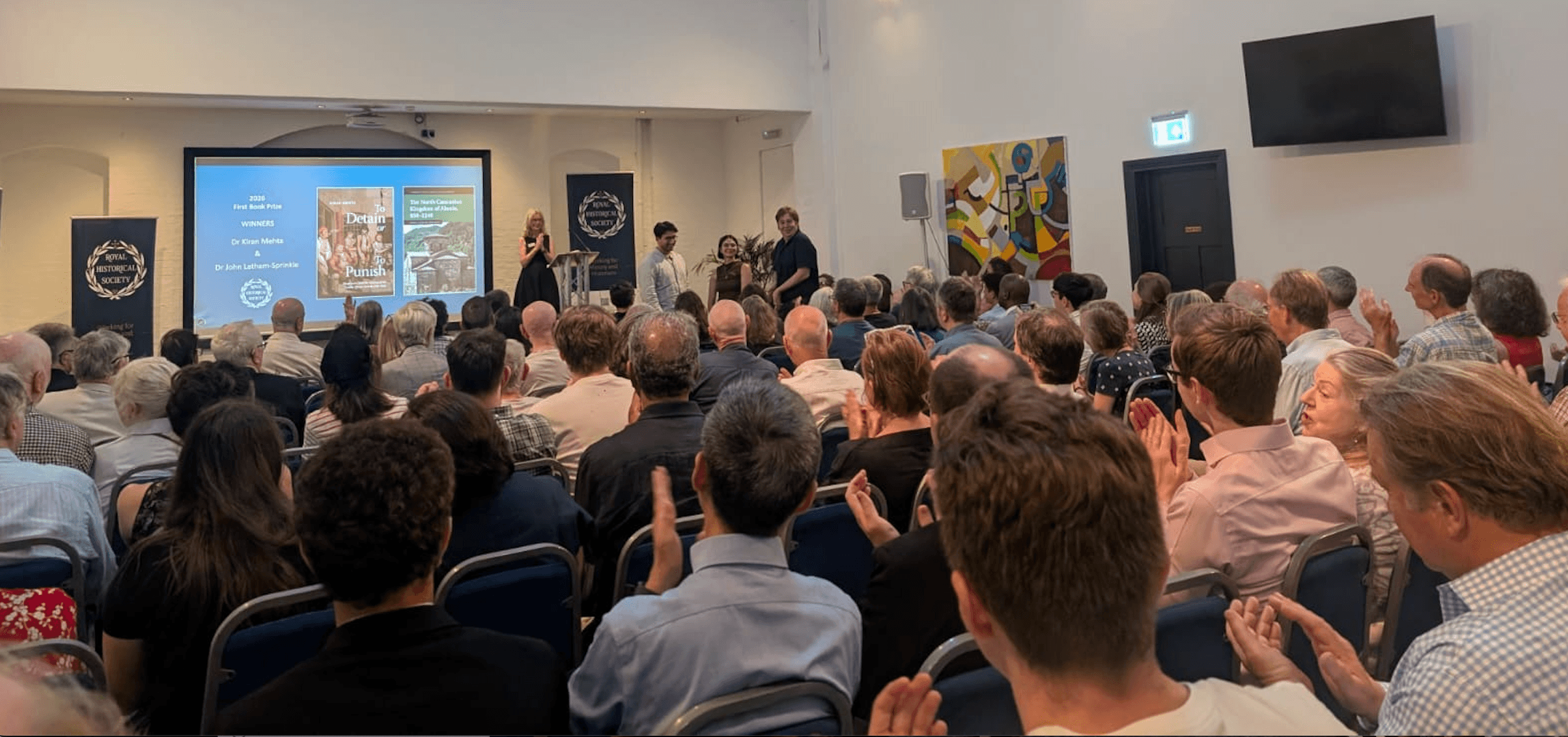
The two winners of this year’s article prize each receive £250 while the book prize winners are recipients of £1000 each. We were delighted that Kiran, John and Gianamar were able to attend the Prothero Lecture on 1 July to receive their awards.
The call for authors to submit articles and monographs for the Society’s 2027 prize rounds, for work published in 2026, will open in September.
HEADER IMAGE: iStock photo credit: sompong liabsanthia